Sharjah Media City (Shams), AI messanded, AI Bataeh, Sharjah, United Arab Emirates P.O. Box: 515000
+971507899848,+971553125282
info@sihtuk.ae
contactsihtuk@gmail.com
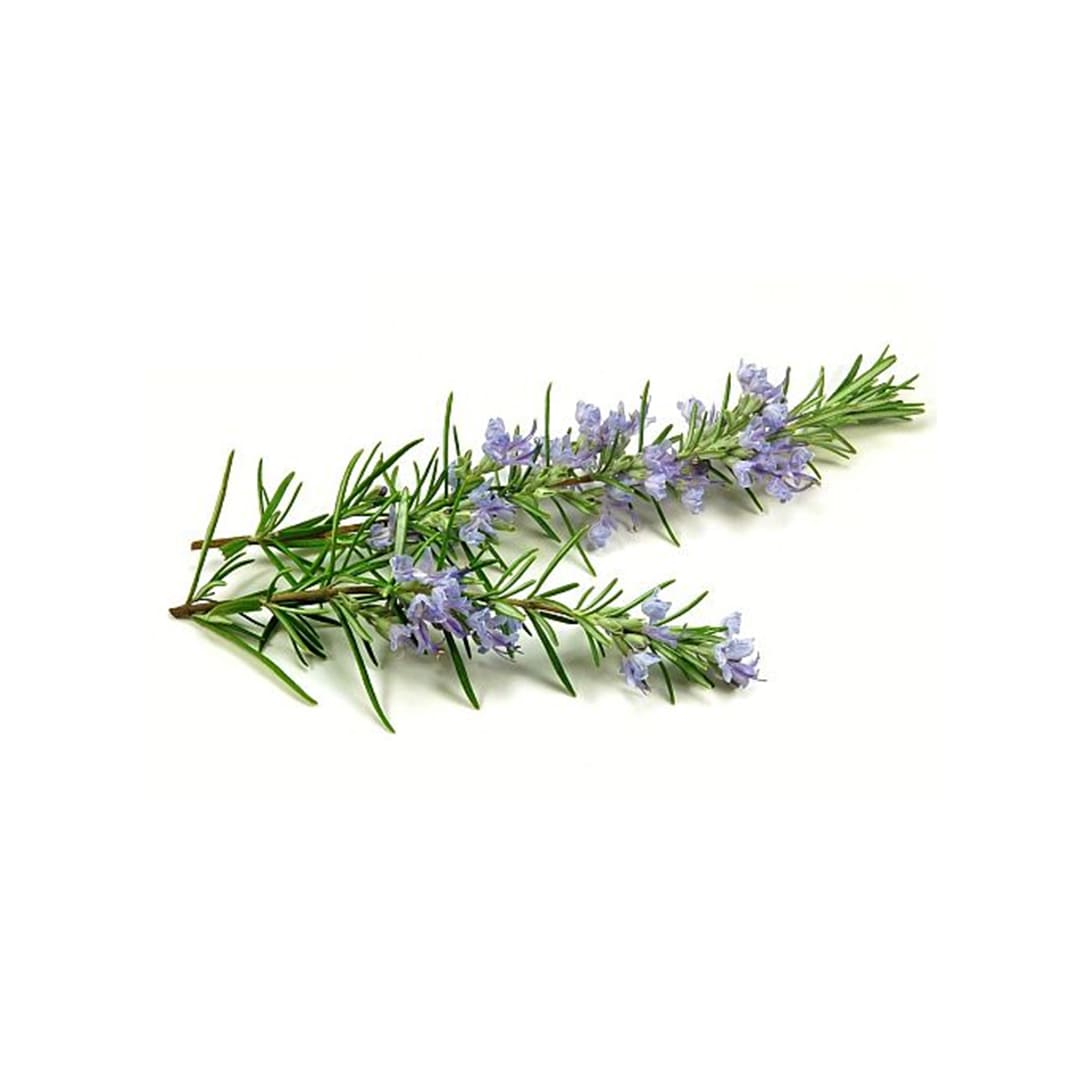

Salvia rosmarinus, commonly known as rosemary, is a shrub with fragrant, evergreen, needle-like leaves and white, pink, purple, or blue flowers,...
30gm
For Bulk Orders, contact at:
Email:
info@sihtuk.ae
Contact No.: +971553125282, +971507899848
Salvia rosmarinus, commonly known as rosemary, is a shrub with fragrant, evergreen, needle-like leaves and white, pink, purple, or blue flowers, native to the Mediterranean region. Until 2017, it was known by the scientific name Rosmarinus officinalis, now a synonym.
It is a member of the sage family Lamiaceae, which includes many other medicinal and culinary herbs. The name "rosemary" derives from Latin ros marinus ("dew of the sea"). Rosemary has a fibrous root system.
The first mention of rosemary is found on cuneiform stone tablets as early as 5000 BCE. After that not much is known, except that Egyptians used it in their burial rituals. There is no further mention of rosemary until the ancient Greeks and Romans. Pliny the Elder (23–79 CE) wrote about it in The Natural History, as did Pedanius Dioscorides (c. 40 CE to c. 90 CE), a Greek botanist (amongst other things). He talked about rosemary in his most famous writing, De Materia Medica, one of the most influential herbal books in history.
The herb then made its way east to China and was naturalized there as early as 220 CE, during the late Han Dynasty.
Rosemary came to England at an unknown date; the Romans probably brought it when they invaded in the first century, but there are no viable records about rosemary arriving in Britain until the 8th century CE. This was credited to Charlemagne, who promoted herbs in general, and ordered rosemary to be grown in monastic gardens and farms.

Lorem ipsum dolor sit amet, consectetur adipisicing elit, sed do eiusmod tempor incididunt ut labore et dolore magna aliqua. Ut enim ad minim veniam, quis nostrud exercitation.

Lorem ipsum dolor sit amet, consectetur adipisicing elit, sed do eiusmod tempor incididunt ut labore et dolore magna aliqua. Ut enim ad minim veniam, quis nostrud exercitation.