Sharjah Media City (Shams), AI messanded, AI Bataeh, Sharjah, United Arab Emirates P.O. Box: 515000
+971507899848,+971553125282
info@sihtuk.ae
contactsihtuk@gmail.com
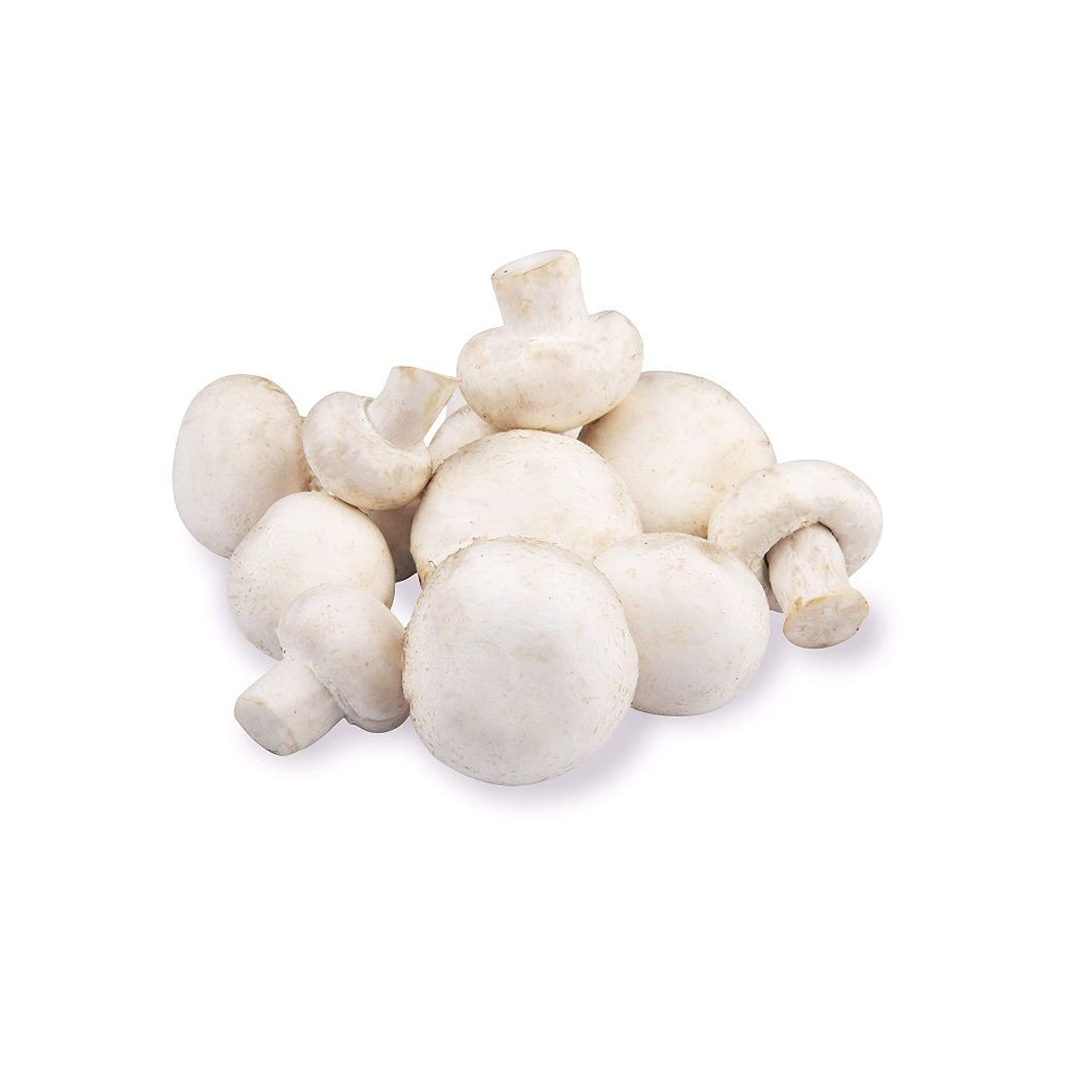

Agaricus bisporus is an edible basidiomycete mushroom native to grasslands in Europe and North America. It has two color ...
250 gm
For Bulk Orders, contact at:
Email:
info@sihtuk.ae
Contact No.: +971553125282, +971507899848
Agaricus bisporus is an edible basidiomycete mushroom native to grasslands in Europe and North America. It has two color states while immature – white and brown – both of which have various names, with additional names for the mature state.
A. bisporus is cultivated in more than seventy countries[2] and is one of the most commonly and widely consumed mushrooms in the world.
When immature and white, this mushroom may be known as common mushroom, white mushroom,[3] button mushroom,[3] cultivated mushroom, table mushroom, and champignon mushroom (or simply champignon). When immature and brown, it may be known variously as Swiss brown mushroom, Roman brown mushroom, Italian brown mushroom, cremini/crimini mushroom,[4][5] chestnut mushroom (not to be confused with Pholiota adiposa), and baby bella.[4]
When marketed in its mature state, the mushroom is brown with a cap measuring 10–15 centimetres (4–6 inches).[5] This form is commonly sold under the names portobello mushroom,[5][6] portabella mushroom,[7] and portobella mushroom, but the etymology is disputed.[5][6]
The earliest scientific description of the commercial cultivation of A. bisporus was made by French botanist Joseph Pitton de Tournefort in 1707.[17] French agriculturist Olivier de Serres noted that transplanting mushroom mycelia would lead to the propagation of more mushrooms.
Originally, cultivation was unreliable as mushroom growers would watch for good flushes of mushrooms in fields before digging up the mycelium and replanting them in beds of composted manure or inoculating 'bricks' of compressed litter, loam, and manure. Spawn collected this way contained pathogens and crops commonly would be infected or not grow at all.[18] In 1893, sterilized, or pure culture, spawn was discovered and produced by the Pasteur Institute in Paris, for cultivation on composted horse manure

Lorem ipsum dolor sit amet, consectetur adipisicing elit, sed do eiusmod tempor incididunt ut labore et dolore magna aliqua. Ut enim ad minim veniam, quis nostrud exercitation.

Lorem ipsum dolor sit amet, consectetur adipisicing elit, sed do eiusmod tempor incididunt ut labore et dolore magna aliqua. Ut enim ad minim veniam, quis nostrud exercitation.