Sharjah Media City (Shams), AI messanded, AI Bataeh, Sharjah, United Arab Emirates P.O. Box: 515000
+971507899848,+971553125282
info@sihtuk.ae
contactsihtuk@gmail.com
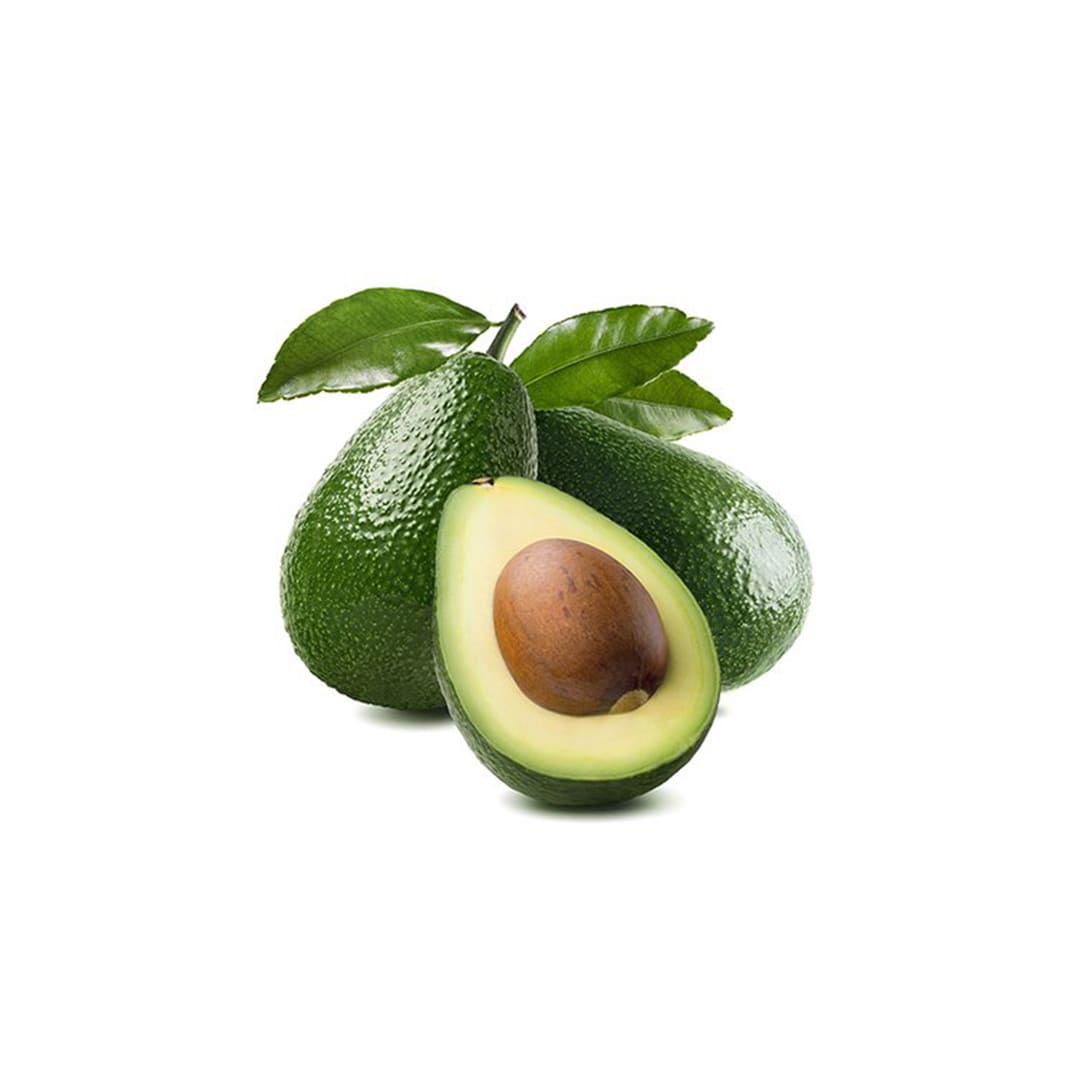

The avocado (Persea americana), a tree likely originating from south-central Mexico, is classified as a member of the flowering plant family&...
1 kg
For Bulk Orders, contact at:
Email:
info@sihtuk.ae
Contact No.: +971553125282, +971507899848
The avocado (Persea americana), a tree likely originating from south-central Mexico, is classified as a member of the flowering plant family Lauraceae. The fruit of the plant, also called an avocado (or avocado pear or alligator pear), is botanically a large berry containing a single large seed. Avocado trees are partially self-pollinating, and are often propagated through grafting to maintain predictable fruit quality and quantity.
Avocados are cultivated in tropical and Mediterranean climates of many countries, with Mexico as the leading producer of avocados in 2019, supplying 32% of the world total.
The fruit of domestic varieties has a buttery flesh when ripe. Depending on the variety, avocados have green, brown, purplish, or black skin when ripe, and may be pear-shaped, egg-shaped, or spherical. Commercially, the fruits are picked while immature, and ripened after harvesting.
Persea americana, or the avocado, possibly originated in the Tehuacan Valley in the state of Puebla, Mexico,although fossil evidence suggests similar species were much more widespread millions of years ago. However, there is evidence for three possible separate domestications of the avocado, resulting in the currently recognized Mexican (aoacatl), Guatemalan (quilaoacatl), and West Indian (tlacacolaocatl) landraces. The Mexican and Guatemalan landraces originated in the highlands of those countries, while the West Indian landrace is a lowland variety that ranges from Guatemala, Costa Rica, Colombia, Ecuador to Peru, achieving a wide range through human agency before the arrival of the Europeans. The three separate landraces were most likely to have already intermingled in pre-Columbian America and were described in the Florentine Codex.

Lorem ipsum dolor sit amet, consectetur adipisicing elit, sed do eiusmod tempor incididunt ut labore et dolore magna aliqua. Ut enim ad minim veniam, quis nostrud exercitation.

Lorem ipsum dolor sit amet, consectetur adipisicing elit, sed do eiusmod tempor incididunt ut labore et dolore magna aliqua. Ut enim ad minim veniam, quis nostrud exercitation.